Appliance Repair Program in Ontario: What You’ll Learn and Where It Can Lead
A cousin of mine spent four years chasing an engineering degree, then landed a job fixing dishwashers for a service company in Mississauga.
Better pay, faster hours, no debt hanging over his head for a decade. He laughs about it now. Nobody told him this option existed until a friend mentioned it over dinner.
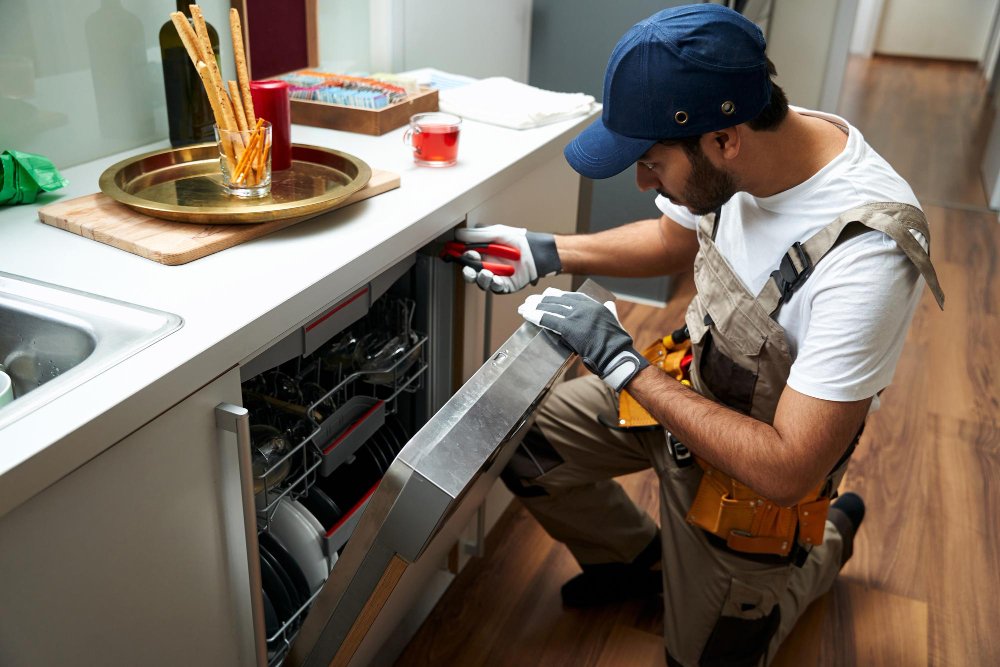
That’s the thing about trades in Ontario. Half the good options never make it into the conversation.
Contents
- 1 Why Ontario Needs More Appliance Repair Technicians
- 2 What You’ll Learn in an Appliance Repair Program
- 3 How Long an Appliance Technician Course Takes to Complete
- 4 Career Paths After Home Appliance Repair Training
- 5 Choosing the Right Appliance Technician Course in Ontario
- 6 Is an Appliance Repair Career Right for You
Why Ontario Needs More Appliance Repair Technicians
Ask ten people what a Red Seal trade looks like and you’ll hear plumbing, electrical, maybe HVAC. Appliance repair rarely comes up, even though washing machines and fridges break down every single day across every neighbourhood in this province.
That gap is exactly why the field pays well right now. Demand outpaces supply. Companies struggle to find technicians who can actually read a schematic and troubleshoot a control board, not just tighten a bolt. An appliance repair program fills that gap directly, without asking students to spend years in school first.
What You’ll Learn in an Appliance Repair Program
Most people assume appliance repair means screwdrivers and common sense. That covers maybe a third of it. Modern fridges run on circuit boards. Washing machines have sensors that talk to each other. You need to understand electronics, not just mechanics.
A solid home appliance repair training course walks students through both sides. Diagnosing electrical faults. Reading wiring diagrams without guessing.
Handling gas connections safely on stoves and dryers. None of this gets rushed, because a technician who skips a step on a gas appliance creates a real safety problem, not just an inconvenience.
- Hands-on work with washers, dryers, fridges, stoves, and dishwashers
- Diagnostic training for both mechanical faults and circuit board issues
- Safety protocols for gas and electrical components
- Customer service basics, since most technicians deal directly with homeowners
Students walk out knowing how a machine breaks and why, not just how to swap a part and hope it works.
How Long an Appliance Technician Course Takes to Complete
Here’s where appliance repair beats most other trades. A typical Red Seal apprenticeship stretches across four or five years, moving between classroom blocks and on the job hours. Appliance repair skips most of that structure.
An appliance technician course usually runs between six months and a year, depending on the school and the schedule. No lengthy apprenticeship required before you can start working. You finish training, and you’re employable almost immediately.
For someone supporting a family or switching careers later in life, that timeline matters more than people admit. Four years without full income isn’t realistic for everyone. Six months is.
Career Paths After Home Appliance Repair Training
People assume the only path after this training is fixing appliances door to door. That’s one option, but far from the only one.
Graduates work for major retailers running their own service departments. Some join manufacturer service networks, handling warranty repairs for brands people already trust. Others go independent within a couple of years, running their own service business with repeat customers across a neighbourhood or town.
- Employment with appliance retailers and service depots
- Warranty repair work for manufacturers
- Commercial appliance servicing for restaurants and hotels
- Starting an independent repair business after gaining experience
A few years in, some technicians move into training roles themselves, teaching the next batch of students. The ceiling here is higher than most people expect walking in.
Choosing the Right Appliance Technician Course in Ontario
Picking the right school matters more than people realize going in. A program stacked with theory and no real hands-on time leaves graduates underprepared for their first service call. You want a school that puts real tools in your hands early, not just textbooks.
IMTT Canada runs training built around actual industry needs in Ontario, giving students practical, hands-on exposure instead of pushing through material students will forget within weeks. That approach matters in a trade where a technician either diagnoses the fault correctly on the first visit or ends up back at the same house a week later.
Is an Appliance Repair Career Right for You
Trades carry an old stigma that’s fading fast, especially in fields like this one where demand keeps climbing every year. If four years of school and a mountain of debt never appealed to you, this path deserves a real look before you write it off.
Talk to someone already working in the field if you can. Ask what a normal week actually looks like. Most people who make the switch say the same thing. They wish someone had told them sooner.